Empowering Lives: A Comprehensive Guide to Cancer Awareness and Support
Navigating the oncology landscape can feel daunting, but it doesn't have to be. Imagine standing at the crossroads of healthcare, where each path leads to greater understanding, support, and empowerment. This journey of cancer awareness unfolds not just through facts and figures, but also through personal stories and robust community support systems. As we explore treatment options, advances in medical research, and the importance of advocacy, you'll discover the many ways we can cultivate wellbeing resources for ourselves and our loved ones.
Cancer awareness starts with education, and the more we know, the better equipped we are to make informed choices. A core aspect of this awareness is understanding the different treatment options available. From conventional treatments like chemotherapy and radiation to innovative approaches, such as immunotherapy and clinical trials, the oncology landscape is continuously evolving. But how do we make sense of it all? As a cancer survivor once said, 'Knowledge is power, and I wield it to fight for my health every day.'
When it comes to disease prevention, lifestyle changes are imperative. What we feed our bodies can significantly impact our health and wellness. Nutrition and cancer have a profound connection; in fact, certain dietary choices can bolster the body’s natural defenses and improve treatment outcomes. So ask yourself: What small changes can I implement today to support my health? Embracing nutritious, whole foods can provide that much-needed boost and help manage symptoms, creating a ripple effect of positivity in our lives and in our communities.
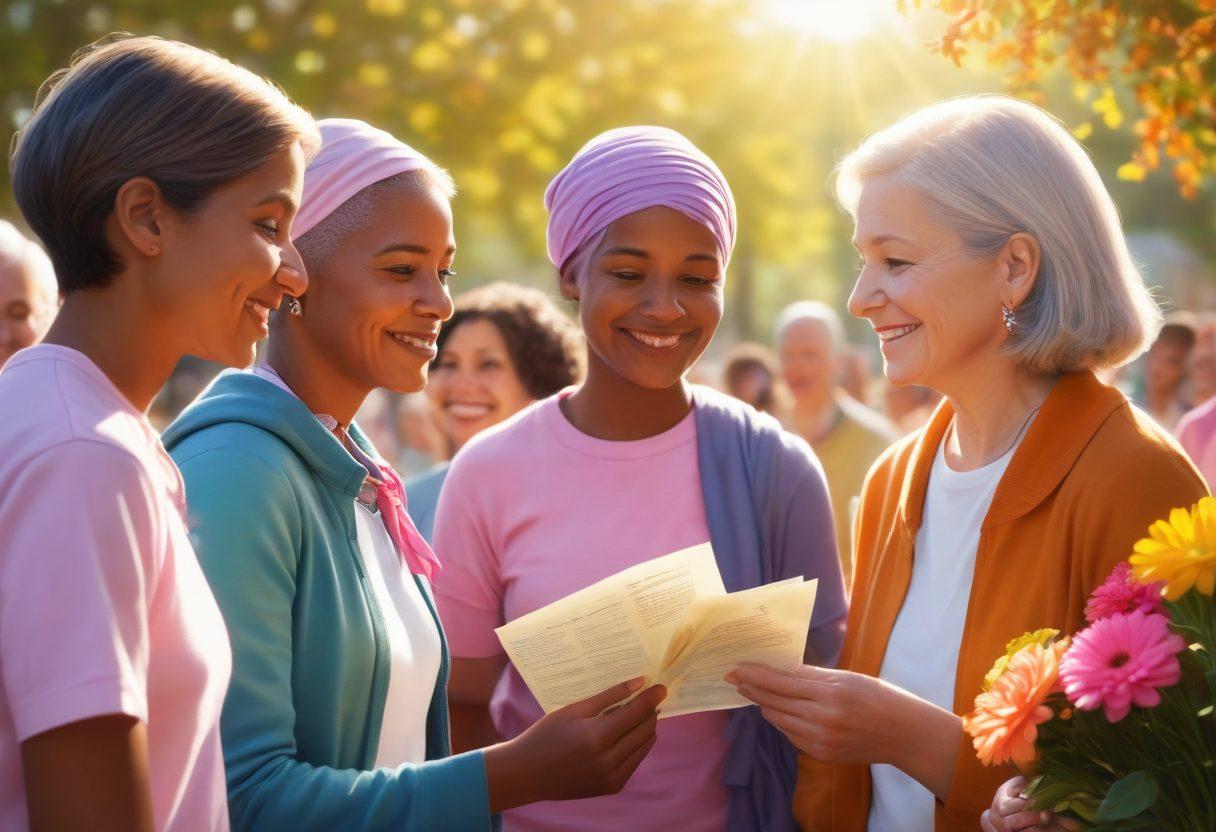
Mental health is just as critical in this journey. The emotional toll of navigating cancer, whether for oneself or as a caregiver, can be overwhelming. Yet, remember that you're not alone. Community support can be a sanctuary in times of distress. Join support groups, connect with fellow cancer survivors, and share your experiences. As one participant remarked, 'Finding my tribe helped me heal; together we are stronger.' This advocacy extends beyond personal health; it calls for creating spaces where individuals can express their concerns and share their journeys without fear or stigma.
And let’s not forget the power of preventive care in our fight against cancer. Awareness campaigns thrive on spreading medical information that encourages proactive screenings and symptom management. Regular check-ups and understanding early warning signs contribute immensely to early detection, which can be life-saving. Let’s champion patient support by advocating for access to information, tests, and treatment options in our communities. The more we lift each other up and share resources, the greater our collective impact on cancer awareness and prevention.
Holistic Wellness: Lifestyle Changes and Nutrition in Cancer Prevention and Symptom Management
In the journey of life, the shadows of cancer often loom large, casting doubt and fear. Yet, within the realms of oncology, there's a guiding light — the power of holistic wellness. Imagine waking up each day armed not only with courage but also with actionable lifestyle changes and nutrition strategies that can help in cancer prevention and symptom management. This isn't just about surviving cancer; it's about thriving, embracing an empowered existence, and being proactive about your health. Today, we explore the intersection of wellness and healthcare, and how these elements can play a pivotal role in fostering cancer awareness and improving the quality of life for patients and survivors alike.
Have you ever wondered how much our daily choices impact our health, especially when it comes to serious conditions like cancer? According to numerous medical research studies, adopting healthy lifestyle changes can significantly lower the risk of cancer and enhance overall wellbeing. From adding colorful fruits and vegetables to your plate to integrating regular exercise into your routine, these simple tweaks can be life-altering. As one cancer survivor poignantly put it, 'My body is my first home; I owe it to myself to take care of it.' It's a powerful reminder that our health is in our hands, and the choices we make can help pave the path to disease prevention.
Nutrition plays a critical role in not just preventing cancer but also managing its symptoms. While doctors and healthcare professionals can provide a plethora of treatment options, advocating for oneself through informed dietary choices can be a game changer. Research has shown that certain foods can bolster the immune system, reduce inflammation, and even fight against cancer cells. So, what can you do? Consider incorporating anti-inflammatory foods like salmon, nuts, and leafy greens into your meals. Ask yourself, "How can I make my plate work for me?" Nutrition and cancer are closely intertwined, and by understanding the powers of different foods, we can better negotiate our wellness journey.
Mental health is equally crucial in the context of cancer. The psychological toll of a cancer diagnosis can be just as heavy as the physical symptoms. Community support plays a fundamental role in this aspect, reminding us we are not alone. Whether it's joining a support group or reaching out to fellow cancer survivors, sharing experiences helps to foster resilience. Wellness tips often include not just what we eat, but how we engage with others. So, how can you build or lean on your own support network? It's about connection; cultivating friendships or alliances can fundamentally enhance your mental health and bring you a sense of peace.
Finally, let’s not forget the importance of continuous learning and advocacy in cancer care. Stay updated on the latest wellness resources and options that clinical trials may offer, as they can open doors to innovative treatments and preventive measures. As a health blog shares, 'Knowledge is power; understanding where we stand in the fight against cancer can transform fear into strength.' Engaging with medical information, whether it’s through reputable sources or discussions with your healthcare team, empowers you to be your own advocate. So, are you ready to take charge of your health and become an active participant in your cancer journey? Together, we can cultivate a world where wellness prevails.
Building a Supportive Community: Empowering Cancer Survivors with Advocacy and Mental Health Resources
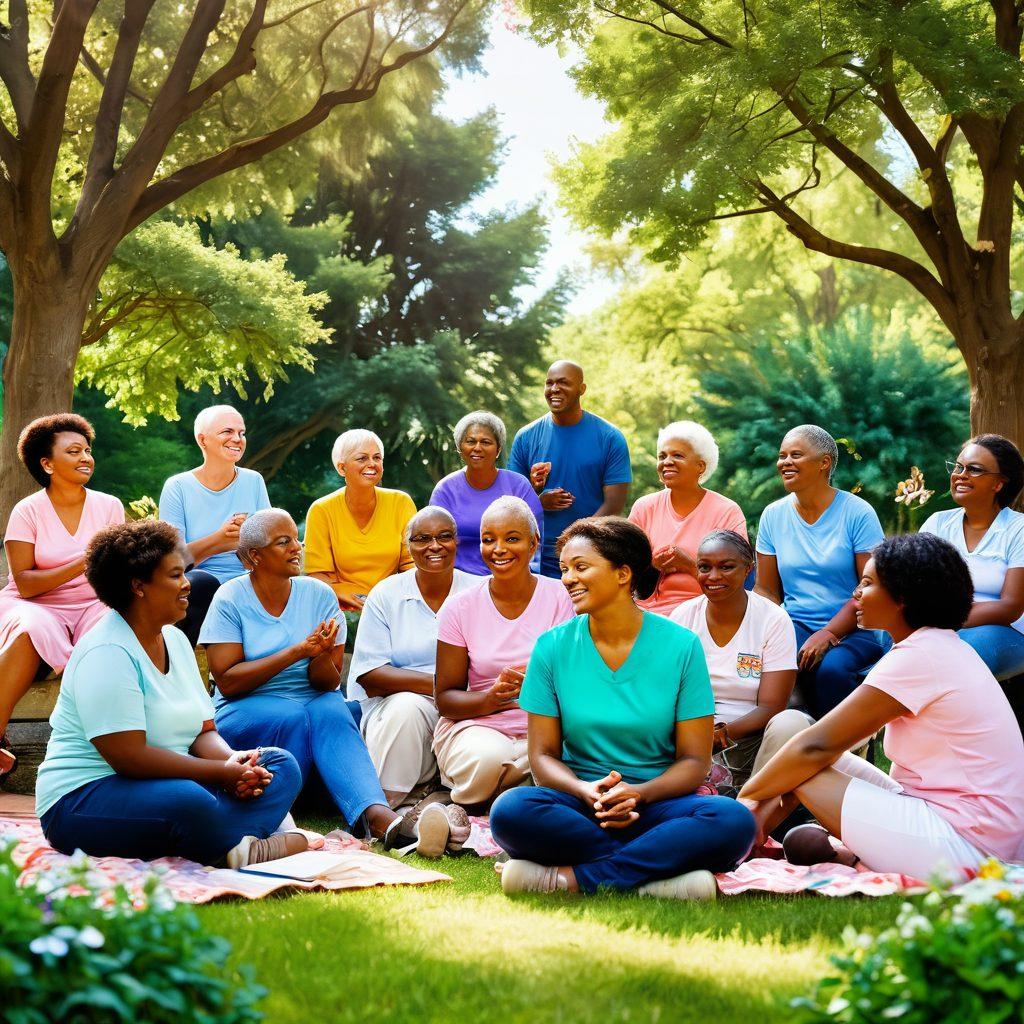
The journey of a cancer survivor is one filled with resilience, hope, and the profound necessity for community support. Imagine standing at the edge of darkness, with a formidable opponent in front of you—cancer. Now, picture a warm light emerging, illuminating paths filled with understanding, encouragement, and solidarity. This light is the supportive community built around cancer survivors. It is where advocacy and mental health resources converge, transforming lives, igniting change, and fostering a sense of belonging. In the realm of oncology, empowering individuals through community connections can be the key to overcoming the challenges posed by this disease.
Health can often feel like an elusive dream, particularly for those who have faced cancer diagnoses. Yet, the power of community cannot be underestimated. Cancer awareness is not just about understanding the disease itself, but also about connecting with fellow survivors who share similar stories. What if you could build a bridge from your isolation to a vibrant community? This is where patient support, advocacy, and mental health resources come into play. By encouraging dialogue and sharing experiences, cancer survivors can help each other navigate the turbulent waters of treatment options, symptom management, and lifestyle changes.
But how do we create a supportive community that fosters growth and healing? The answer often lies in gathering resources and information. From medical research to wellness tips, knowing where to find reliable medical information is vital. Engage in discussions with healthcare professionals who can shed light on preventive care strategies, nutritional guides catered specifically for cancer patients, and ongoing clinical trials that may provide revolutionary treatment options. The more informed we are, the better equipped we become to advocate for our needs and the needs of our peers. Remember, knowledge is empowerment!
Advocacy is a powerful tool in the fight against cancer, one that deserves our attention. Each voice matters, and together we can create a chorus that demands improved patient support and mental health resources. Picture this: a community where survivors not only advocate for themselves but also empower others, reassuring them that they are not alone in their fight. By sharing your story, you can inspire others to seek help, pursue their wellness journeys, and stand firm in the face of adversity. What story do you have to tell, and how can it change someone's life?
As we weave these threads of support and advocacy together, we must also emphasize the importance of mental health. Cancer can take a toll on emotional well-being, and it is crucial for survivors to seek help and embrace therapeutic options alongside their physical treatments. Together, we can discuss preventative measures for mental fatigue, symptom management strategies that promote emotional resilience, and lifestyle changes that enhance overall wellbeing. By creating a culture of openness and support within our communities, we can enrich the cancer journey for every survivor, making recovery a shared and collective triumph.